3 posts tagged with "TEEHR"

View All Tags

TEEHR and CIROH Advance Cloud-Based Hydrologic Model Evaluation into a New Era


· 6 min read
Sam Lamont
Lead Software DeveloperRTI International
Matthew Denno
Lead Software DeveloperRTI International
Katie van Werkhoven
Lead Science AdvisorRTI International
Sam Landsteiner
Software DeveloperRTI International

CIROH is advancing hydrologic model evaluation into a new era. Led by a core team of developers and scientists at RTI, with testing and contributions from others across the consortium, we've built TEEHR — a system purpose-built for evaluating models at scale. Combining novel approaches to data analytics with cutting-edge open data infrastructure, TEEHR enables a truly complete picture of model and forecast performance across datasets, sites, historical time periods, and forecast horizons.

Why do we need TEEHR?

TEEHR is built on a fundamental question: “Which hydrologic model is better?”. At its simplest, this can seem trivial; the model simulation is paired with observations, a few performance metrics are calculated, and you're on your way to a common performance analysis. Things can start to get more complicated if want to go larger, dig deeper or ask more nuanced questions:

  • What if we want to compare many models against each other?
  • What if we want to analyze thousands of locations with 40-years of hourly timestep data at the continental scale?
  • What if we want to interrogate the data with questions like:
    • “How does performance during high-flow events compare to low-flow events?”
    • “How does model performance relate to physical basin attributes?”
    • “What's the uncertainty associated with the resulting metrics?”
  • What if we want to make the data easily accessible to the hydrologic community to support both historical and near-real time analyses?

These are the challenges TEEHR is designed to address.
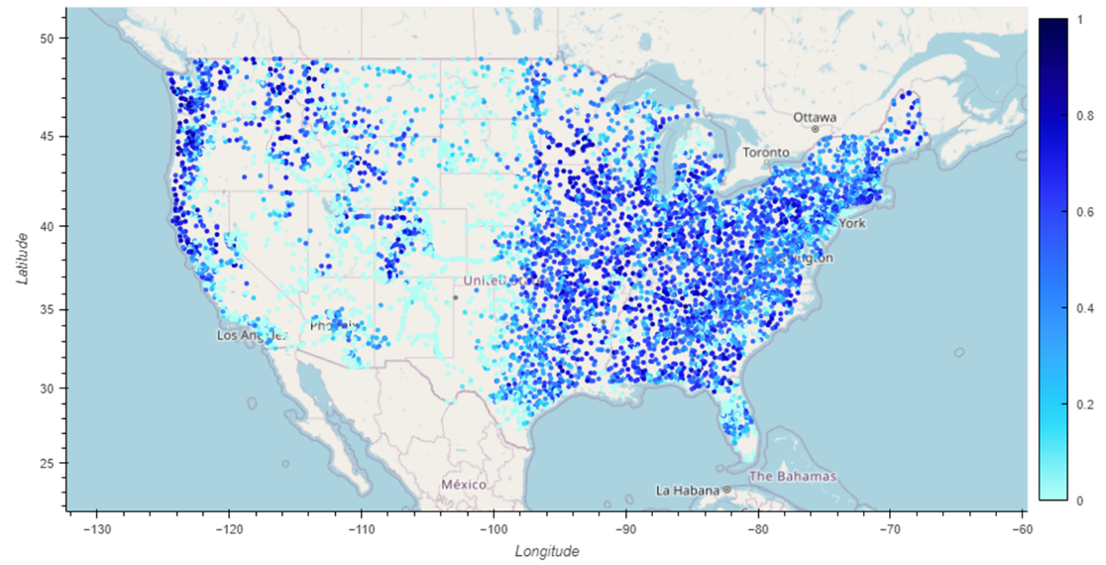
TEEHR is optimized for large-scale iterative model interrogation and data management.
TEEHR is optimized for large-scale iterative model interrogation and data management

Moving Hydrologic Prediction Forward — A software integration meeting at the Alabama Water Institute

· 10 min read
Martyn Clark
Professor of HydrologyUniversity of Calgary
James Halgren
Assistant Director of ScienceAlabama Water Institute
Matthew Denno
Lead Software DeveloperRTI International
Arpita Patel
Assistant Director, IT and DevOpsAlabama Water Institute
Josh Cunningham
Software EngineerAlabama Water Institute
Quinn Lee
Programmer AnalystAlabama Water Institute
Sam Lamont
Lead Software DeveloperRTI International
Darri Eythorsson
Postdoctoral ResearcherUniversity of Calgary
Cyril Thebault
Postdoctoral AssociateUniversity of Calgary
Sifan A. Koriche
Research [Hydrologic] ScientistAlabama Water Institute
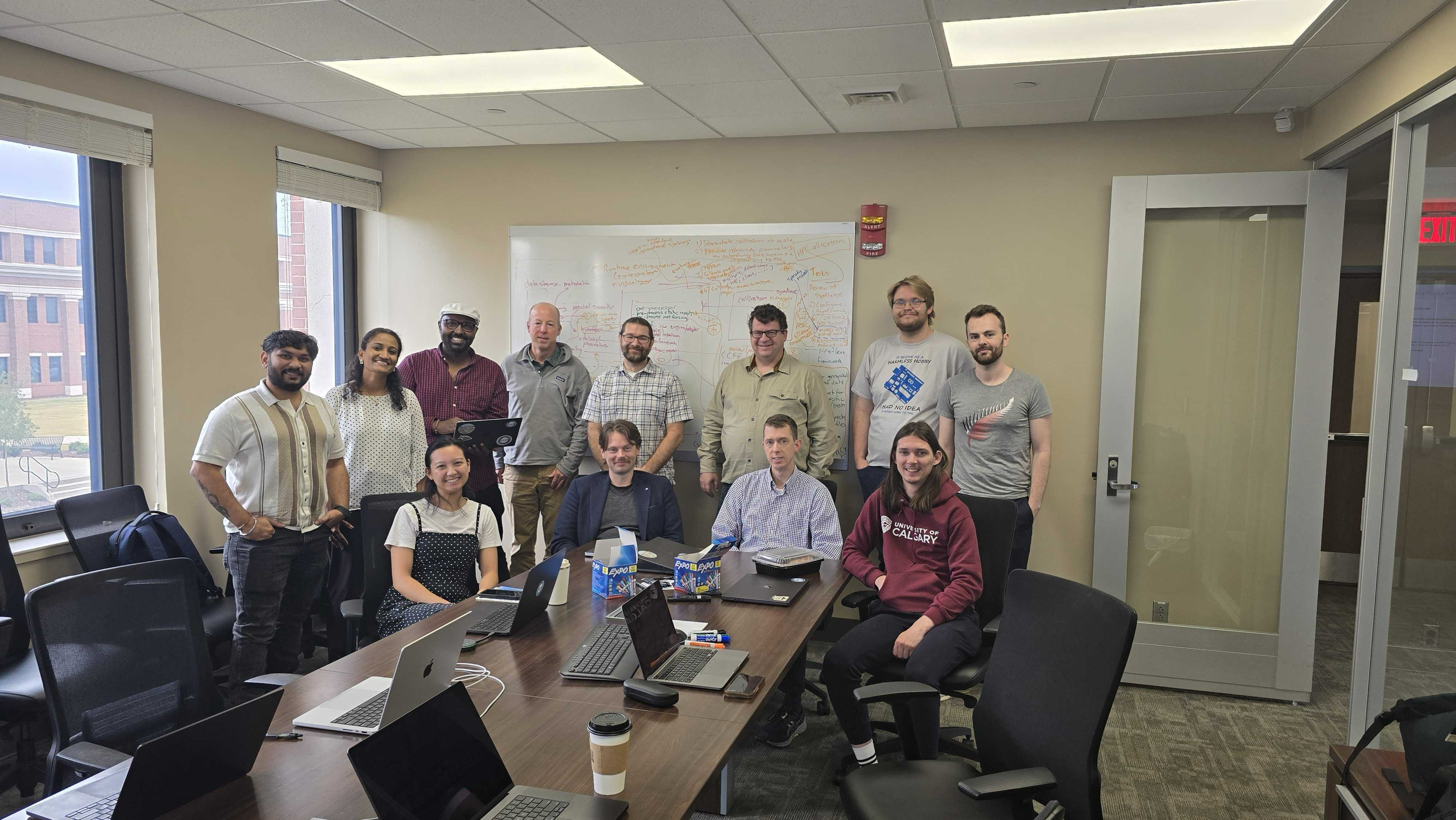
Group photo from the software integration meeting at the Alabama Water Institute

Last week, at the invitation and expert coordination of James Halgren, teams from RTI International (Sam Lamont and Matt Denno) and the University of Calgary (Darri Eythorsson, Cyril Thebault, and Martyn Clark) met at AWI for an intensive working session focused on weaving recent CIROH research into AWI’s fork of the NOAA Office of Water Prediction (OWP) Next Generation Water Resources Modeling Framework (nicknamed “NextGen”). James took the lead in developing the agenda, lining up the right scientific and technical expertise and ensuring that the week targeted the most critical software integration challenges. Throughout the visit, the RTI and UCalgary teams collaborated closely with AWI software engineers Quinn Lee, Josh Cunningham, hydrologic scientist Sifan A. Koriche, and James himself. The days were filled with whiteboards, deep technical conversations, and strategic planning around the future of NextGen water prediction. This recap captures the key themes and the momentum that carried through the week.

Community NextGen Updates

· 3 min read
Arpita Patel
DevOps Manager and Enterprise ArchitectAlabama Water Institute

The Community NextGen framework has seen significant advancements in November 2024, with major updates across multiple components and exciting new resources for users. Let's dive into the key developments that are making hydrologic modeling more accessible and powerful than ever.