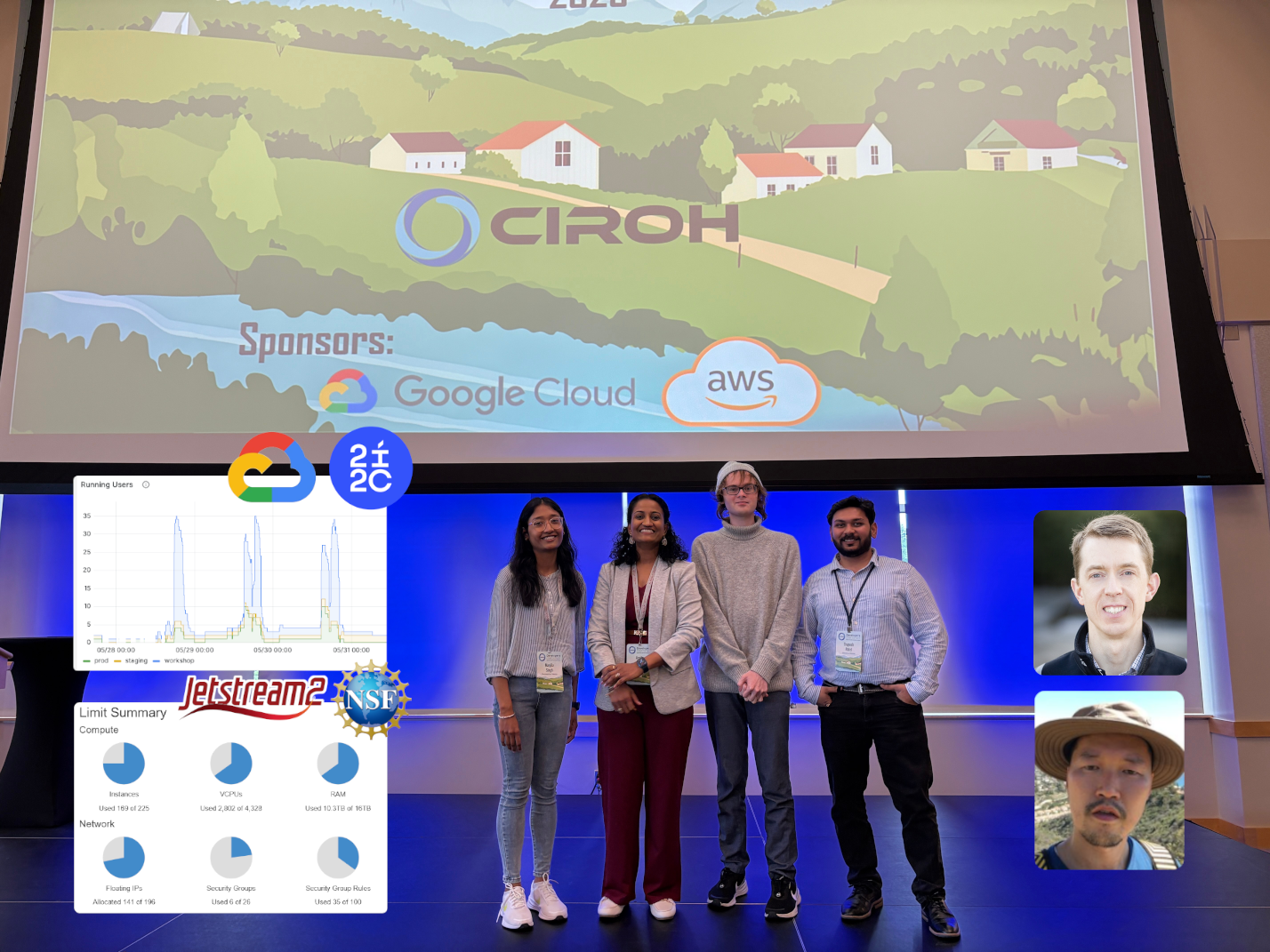
Powering CIROH DevCon 2026: How CIROH and 2i2c Ran Cloud Computing at Scale





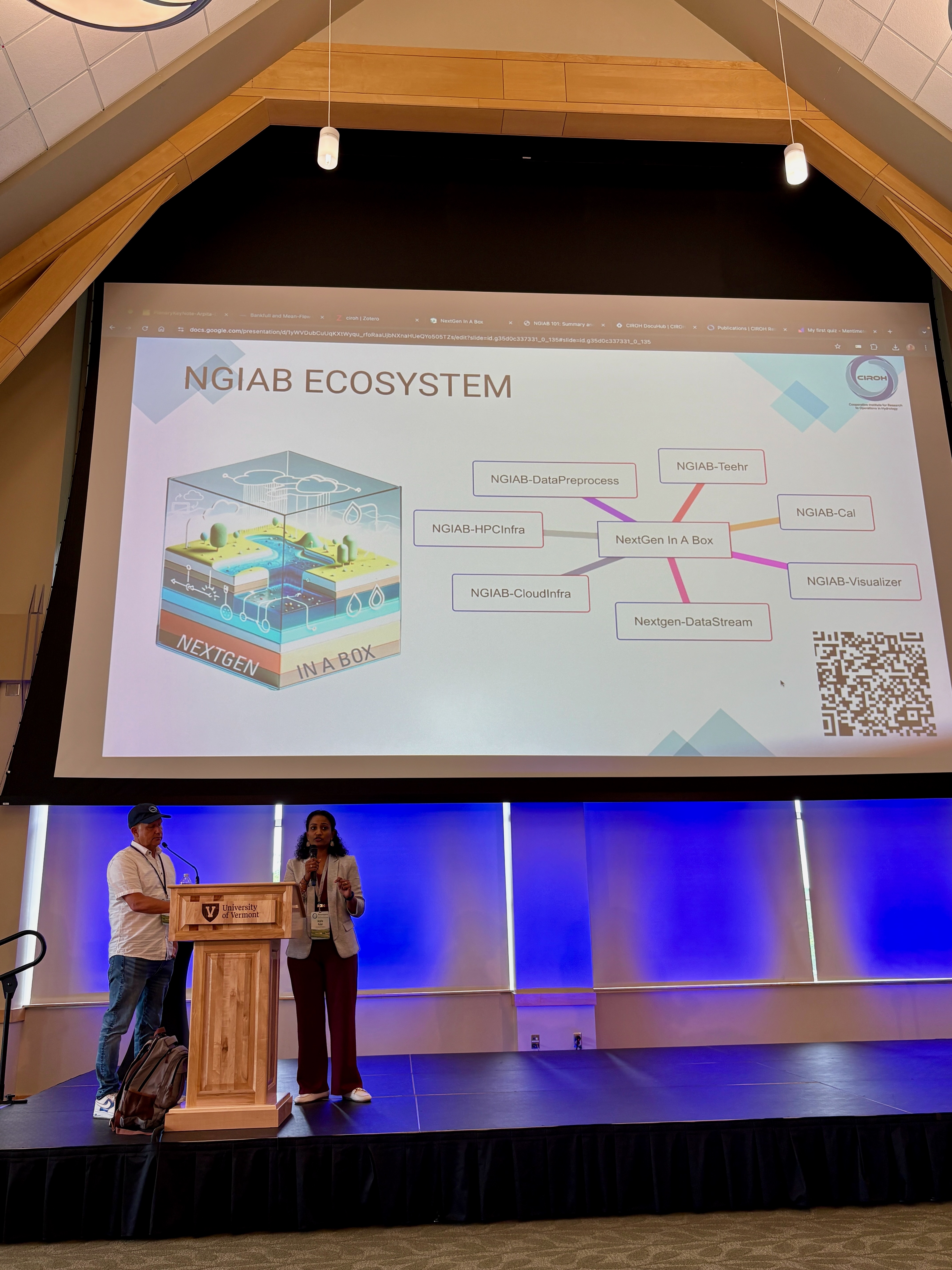
At the 2026 CIROH Developers Conference (University of Utah, May 27–29) participants used a variety of tools and models on cloud infrastructure they'd never had to install, configure, or even think about. To enable that seamless experience, our Research Cyberinfrastructure team provisioned cloud resources for 15 hands-on workshops across three days in close collaboration with our partners at 2i2c. Here's what we ran, and how.
What we provisioned, by the numbers
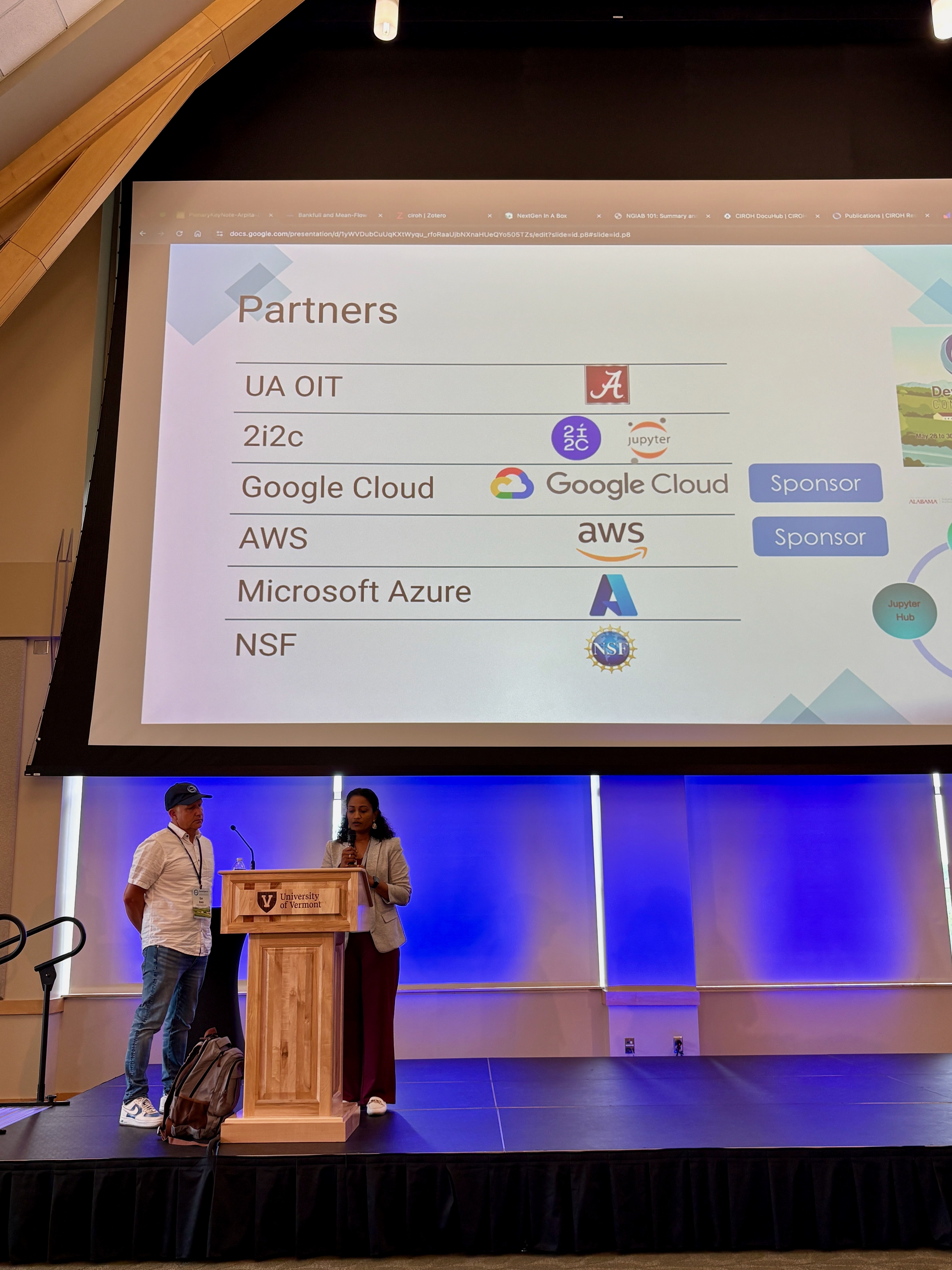
Running an event of this scale requires more than just a single cloud context, as each workshop posed its own computing and data access requirements. CIROH Cyberinfrastructure met this challenge via a coordinated stack spanning multiple cloud providers and services. Across the 15 workshops that needed infrastructure (14 requests), the R2OHC cloud provisioned the following:
| Provider | Workshops | What it carried |
|---|---|---|
| 2i2c JupyterHub on GCP | 12 | A mix of Small, Medium, Large, and GPU servers; 9 workshops ran on custom-built images |
| AWS | 3 | NRDS, HydroServer, TEEHR |
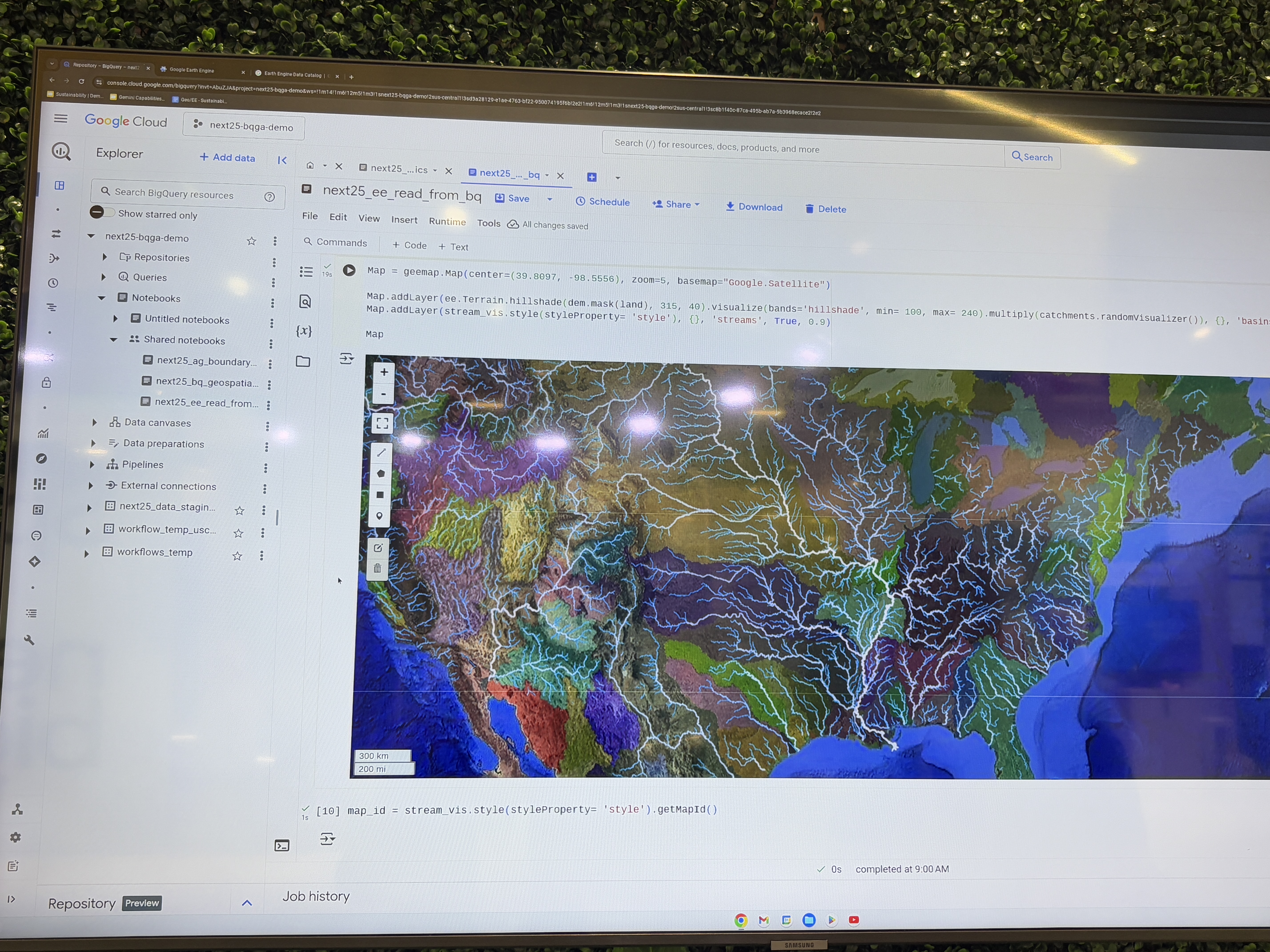
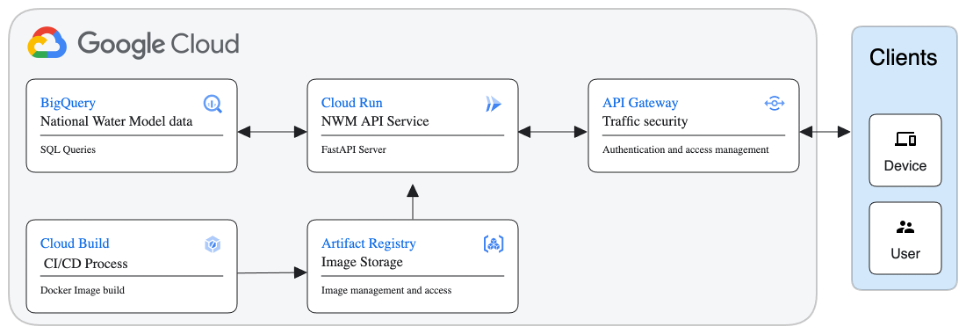
| Google NWM BigQuery API | 2 | Input data for Flood Inundation Mapping (multi-source DB / HAND visualization) and Hydroinformatics (Essential Geospatial Skills) |
| NSF Access | 1 | GPU-powered VMs for the "Talk to NRDS" LLM workshop |
One link, no setup: the Workshop Hub
For 12 of these workshops, their backbone was the CIROH–2i2c JupyterHub, a managed JupyterHub environment that 2i2c operates on Google Cloud. For the conference, we provisioned a dedicated Workshop Hub: an ephemeral environment that lives only for the duration of the event and then spins back down.